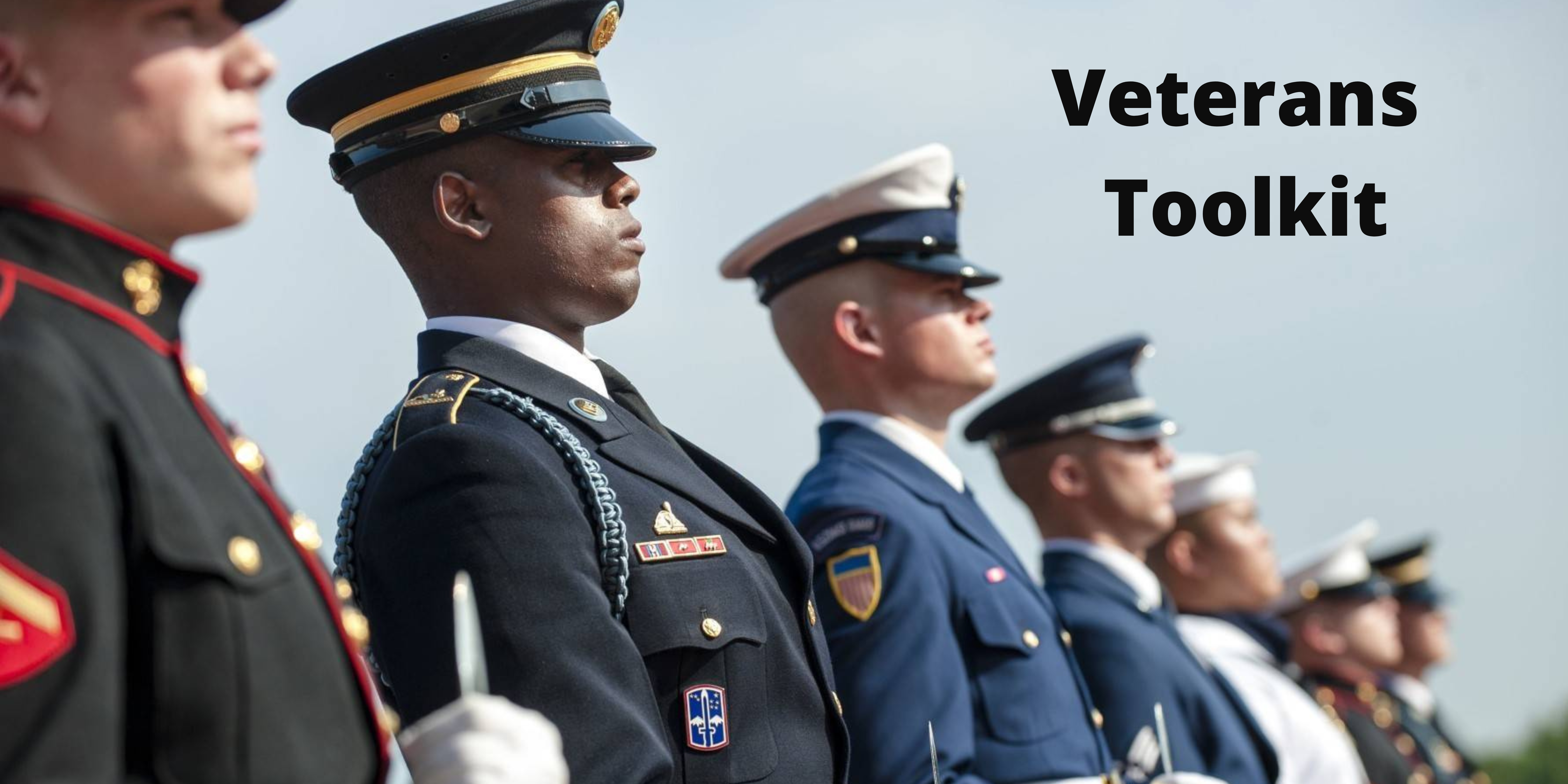
The goal of Student Body Associations (SBA’s) is to advocate on behalf of all students that attend their respective California Community College. These community colleges are constituted of diverse student groups, such as veteran students or veteran affiliated family members. Veteran students are considered those that served in the US military, naval or air service no matter discharge conditions. This tool kit is aimed at supporting those who served and have given everything to be able to attain an education.
Advocacy for veterans can range from local to statewide to a national level. The Student Senate for California Community Colleges (SSCCC) mission is to give the tools needed for students to be able to support student veterans.
Policy Advocacy: Push for priority registration, dedicated veterans’ services, or expanded mental health support through local, district, and state channels (such as SSCCC or Region meetings).*add support letter template
Representation: Ensure veteran voices are represented in student government by encouraging veterans to run for office or appointing them to committees that affect student services and equity.
Resolutions: Author or support resolutions calling for improved campus services or awareness campaigns for veterans (e.g., calling for increased funding to Veterans Resource Centers).
Lead or collaborate on campus-wide recognition events like flag placements, veteran panels, or appreciation walls to honor those who’ve served. Celebrating holidays aimed at supporting veterans can also lead to a sense of belonging among veterans. Dates to remember:
- Veterans Day- November 11
- Armed Forces Day- 3rd Saturday in May
- Memorial Day- Last Monday in May
- National POW/MIA Recognition Day- September 15
- Army Birthday/ Flag Day- June 14
- Navy Birthday- October 13
- Marine Corps Birthday- November 10
- Coast Guard Birthday- August 4
- Air Force Birthday- September 18
- Space Force Birthday- December 20
- Ways to advocate in local and state levels
- Was to build community and awareness
- Collaboration
- How to support families
- Resources
Letter from Region X Regional Affairs Director
Dear Veterans, Caregivers, Dependents, and Advocates,
My name is Yonatan “Yogi” Hernandez. I served more than two decades in the United States Navy, and today I am a student in the California Community College system and a student leader advocating for veterans in higher education.
Like many veterans, my transition from military service to civilian life did not come with a clear roadmap. I had to learn how to navigate the education system, understand VA benefits, and rebuild a sense of purpose outside of the uniform. That transition can be one of the most difficult periods in a veteran’s life. For many of us, we are not just changing careers — we are redefining our identity, our community, and our mission.
California’s community colleges serve the largest higher education system in the nation, and thousands of veterans rely on these institutions as their gateway to opportunity. For many of us, the classroom becomes the next place we continue our service — building new skills, supporting our families, and preparing to contribute to our communities in new ways.
My own journey was transformed through involvement with the Student Senate for California Community Colleges. That organization did more than give me a platform to advocate — it changed the trajectory of my life. Through student leadership and civic engagement, I found a renewed sense of mission and purpose in continuing to serve others, this time within our education system and our communities.
However, the path is not always easy. Veterans often face challenges navigating complex benefit systems, balancing work and family responsibilities, and adjusting to an academic environment that can feel very different from military life. Without the right support systems in place, too many veterans risk falling through the cracks.
That is why resources such as Veteran Resource Centers, VA Work-Study programs, and dedicated student advocates are so important. These programs provide more than administrative assistance — they restore a sense of community and connection that many veterans lose when they leave the service.
As someone who works closely with student veterans across our campuses, I have seen firsthand how meaningful these resources are. When veterans are supported, they succeed. They graduate, they lead, and they continue serving their communities in powerful ways.
But success does not happen by accident. It requires institutions that are willing to listen, policies that are designed with veterans in mind, and leaders who understand that investing in veterans is an investment in our future.
To every veteran navigating this transition, I want to say this: your service does not end when you leave the military. Your leadership, resilience, and commitment still matter. And you do not have to walk this path alone.
When we invest in veterans, we strengthen our campuses, our workforce, and our communities. Together, we can ensure that every veteran who chooses the path of higher education has the support, resources, and opportunity they have earned.
Respectfully,
Yonatan “Yogi” Hernandez
Regional Affairs Director, Region X
Student Senate for California Community Colleges
Mental Health Services
Mental Health Services
Veterans AffairsWounded Warrior ProjectCalVet
Veterans Crisis Line: The Veterans Crisis Line is a free, confidential, 24/7 support service for veterans, service members, and their families. Anyone can access help by:
Calling: 988, then pressing 1
Texting: 838255
Chatting: veteranscrisisline.net
Mental Health Services
Educational Programs
Educational Programs
Educational Programs
Caregiver and Dependent Resources
Caregiver and Dependent Resources